
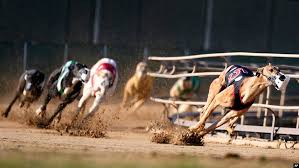
You can improve your chances in JP dog-racing bets by focusing on data, disciplined staking, and platform choice. Study past performance, trap positions, and live odds, then size your bets so one loss never derails your bankroll. That approach turns scattered guesses into a repeatable process that favors steady gains over luck.
This article will show practical strategies for reading form lines, exploiting value odds, and picking reliable online sites, plus advanced JP-specific tips that help you spot when a favorite is over- or under-priced. Apply these methods and you’ll make clearer, more confident betting decisions that protect your funds and raise your long-term win rate.
Understanding Online Dog Racing Betting
You will learn how races run, which bet types pay out, and how JP (jackpot) pools work so you can place informed wagers. Focus on race mechanics, common bets, and the specific rules that govern jackpot pools.
How Online Dog Racing Works
Races typically use timed, recorded events at licensed tracks or virtual simulations. You watch live streams or replay footage, review form guides with recent times, trap (starting box) history, and track conditions before placing a bet.
Bookmakers post odds that update as money comes in; those odds reflect implied probabilities and potential payout. Racing cards list dog name, trap number, recent finishes, and split times — use those to compare dogs rather than relying on names or colors.
You must register with a sportsbook or exchange, fund your account, and select a market before the race start. Payouts occur after official result confirmation; take note of dead-heat rules and steward inquiries that can alter winners and returns.
Types of Bets Available
Single-win bets (Win) pay if your chosen dog finishes first; they offer the simplest risk–reward profile. Place and Show (or Place only) pay for top-two or top-three finishes, reducing risk but lowering returns.
Exotics include Exacta (first two finishers in order), Quinella (first two in any order), Trifecta and Superfecta (top three or four in exact order). These yield higher returns but require precise prognostication or box/combination bets to cover multiple outcomes.
You can also use combination tickets and field bets to spread risk across several dogs. Each market has minimum stake rules, and bookmakers may offer all-in-one jackpot pools or guaranteed prize pools that alter typical payout mechanics.
Overview of JP (Jackpot) Betting
JP (Jackpot) pools aggregate stakes across multiple races or across bettors to create a large prize pot. You often need to pick winners for a sequence of specified races (e.g., winners of four consecutive races) to qualify for the jackpot.
Jackpots usually carry rollover mechanics: if no one wins, the pool increases for the next event. Pay attention to qualification rules, minimum stake, dead-heat and voided-race policies, and whether the pool pays fixed dividends or divides the pool among winners after operator fees.
Because jackpots concentrate risk, strategies include selective bankroll allocation, covering combinations with tickets that balance cost against coverage, and targeting races with clear favorites to reduce variance.
Key Strategies for High Winning Odds
Focus on measurable race factors, bank-management rules, and finding bets where the price underestimates a greyhound’s real chance. Use data, track context, and market comparison to spot those edges.
Analyzing Dog Performance Data
Look at each greyhound’s recent times over the same distance and track; prefer dogs with consistent finishing times within 0.10–0.30 seconds of their best. Pay attention to split (early) and closing (late) sectional times to see whether a dog typically leads, holds position, or finishes strongly.
Factor in class changes: a dog dropping in grade often performs better against weaker rivals. Also check box (trap) history—some dogs have clear inside or outside preferences that affect starts. Use a compact checklist:
- Last 5 race times and variance
- Sectional splits (first 100m / last 100m)
- Trap win/place percentages
- Grade change up/down
Weight these items to create a simple score you can compare across the race card.
Assessing Track Conditions
Track surface and weather change times and starting dynamics. When the surface is wet or heavy, inside traps may favor dogs that race calmly and avoid wide turns; dry, fast tracks reward quick starters who hit the rail early.
Study recent meeting reports for bias (e.g., “rail favored last 3 meetings”) and average times by trap. Note race distance specifics—turning radius and run-in length amplify certain running styles. Maintain a short record for each track: typical winning times, trap biases, and how rain shifts outcomes. Use that record to adjust your performance scores per dog.
Identifying Value Bets
Value occurs when the market price exceeds your assessed probability. Convert your estimated win probability into implied odds (1 / probability) and compare to the bookies’ odds. Target bets where the bookie’s price is at least 20–30% higher than your implied fair price.
Prioritize these bet types:
- Win bets on single dogs with clear positive edge
- Exactas/quinellas when two dogs have complementary running styles
Avoid marginal edges on large fields or volatile traps. Size stakes using fixed percentage of your bankroll (e.g., 1–3%) and keep a running log of EV-positive bets to refine your model.
Advanced Tips for JP Betting Success
Focus on protecting your stake and choosing moments when odds and field conditions favor higher returns. Apply disciplined money management and time entries to exploit value instead of chasing winners.
Managing Your Betting Bankroll
Treat your bankroll as a business ledger. Set a fixed unit size (for example 1–2% of your total bankroll) and record every bet in a simple spreadsheet with columns: Date, Race ID, Bet Type, Stake, Odds, Result, P/L.
Limit single-race exposure: avoid risking more than 5% on one race, and reduce units after three losses in a row until you reassess form and strategy.
Use stop-loss and profit-target rules. For instance, stop betting for the day after a 6% drawdown or take a 10% profit and bank it separately.
Adjust unit size only after a sustained winning or losing run of at least 30 bets, not after one or two outcomes. This prevents emotional tilt and preserves long-term edge.
Timing Your Bets Effectively
Monitor market movement and place bets when implied value appears. Early prices can show sharp trainers or inside knowledge; late prices reflect public money and last-minute scratches.
If you find a drop in odds after the market opens, note it; consistent early money on a greyhound often indicates form-backed support. Conversely, avoid betting immediately after a big public shift unless you can justify the change with concrete data.
Use race-specific timing rules. For larger tote pools, wait 10–15 minutes before close to see pool consolidation; for small local cards, bet earlier to lock favorable fixed-odds lines.
Record timing outcomes in your ledger to spot patterns; adapt your timing rules if a particular track or market consistently produces late-value opportunities.
Selecting the Best Online Betting Platforms
Choose platforms that offer transparent odds, reliable payment options, and clear terms for promotions and withdrawals. Focus on sites that list race schedules, live streaming, and detailed racecards for greyhound events.
Criteria for Choosing Trusted Sites
Check licensing and public contact details first. Prefer platforms licensed by recognized authorities (e.g., Malta, UK, or local regulators) and that publish an address, phone, and verified email.
Evaluate market coverage and odds comparability. Look for consistent greyhound markets (win/place/exacta/quinella), competitive odds, and live-inplay pricing. Confirm they publish full racecards with trap numbers, form, and jockey/trainer data.
Review payment options and fees. Choose sites that accept your preferred methods (bank transfer, major cards, and crypto if you use it), list processing times, and disclose deposit/withdrawal fees. Fast, documented payouts indicate operational reliability.
Read user reviews and dispute records. Prioritize sites with long operating histories, few unresolved complaints, and an accessible dispute resolution process. Avoid platforms with recurring withdrawal delays or hidden bonus wagering terms.
Site Security and Regulation
Verify encryption and privacy practices. Ensure the site uses TLS/SSL (https) and publishes a privacy policy explaining data use and retention. Look for two-factor authentication and session timeout settings to protect your account.
Confirm regulatory oversight and auditing. Platforms that display regulator logos, license numbers, and links to regulator verification pages offer stronger legal protection. Prefer sites audited for fairness by third parties (e.g., eCOGRA or GLI) that publish RTP/market integrity reports.
Assess responsible-gaming tools and KYC practices. Trusted platforms provide deposit limits, self-exclusion, and reality checks. They also perform Know-Your-Customer checks clearly and only request documents through secure channels.
Check server jurisdiction and backup policies. Sites hosted in reputable jurisdictions and with clear backup/uptime commitments reduce risk of sudden outages or account accessibility issues.
Avoiding Common Mistakes in Dog Racing Betting
Focus on reading odds correctly and checking race-specific details like track condition, box draw, and recent race times. Small data points you skip now often decide whether a bet wins or loses.
Misinterpreting Odds
Odds show both payout and implied probability. If a dog is listed at 4.00 (decimal) the implied probability is 25%. Do the math: implied probability = 1 / decimal odds. Use that to compare against your own assessment of a dog’s real chance.
Avoid treating short odds as “safe” without context. A favorite at 1.80 still loses often; it only pays back modestly relative to risk. Look for value—situations where your estimated win probability exceeds the implied probability from the odds.
Watch how odds move before the race. Late shortening can indicate smart money or insider info; sudden lengthening can signal a withdrawal, poor warm-up, or injury. Track the market across multiple bookmakers to spot discrepancies worth exploiting.
Ignoring Critical Race Details
Race distance, trap (box) draw, and recent split times directly affect outcomes. Some dogs excel from inside traps; others need clear running room on the outside. Match a dog’s running style to the trap and expected early pace.
Assess track conditions and weather. A damp or slow track changes braking and cornering, favoring heavier, stronger-striding dogs. Check each dog’s last three race times and note trends—consistent improvement, decline, or erratic performances.
Account for age and race class. Young dogs often improve rapidly; older dogs can show form decay. Moving up or down in class also alters competitiveness—don’t assume form carries unchanged between grades.
Enhancing Long-Term Betting Performance
Focus on measurable improvements: record race variables, track outcomes, and adjust staking based on edge and variance. Prioritize consistent bankroll rules and evidence-driven changes to keep your returns sustainable.
Learning from Past Races
Keep a structured race log with fields like date, track, grade, dog name, trap, start type, split times, finishing time, odds, stake, and result. Review at least 100 races per dog or trainer to detect meaningful patterns rather than random noise.
Use simple metrics: ROI per trap, win% by distance, and average finishing position by last-run interval. Calculate these monthly to spot shifts quickly.
Run basic backtests on small, repeatable selection rules (for example: dogs from trap 3 with last 2 runs under 29.5s). Limit sample-size bias by requiring minimum occurrences (30+).
Flag outliers—injuries, track condition changes, or late scratches—and exclude them from trend calculations unless you can model their effect.
Adapting Strategies Over Time
Translate findings into concrete rule changes: tighten selection criteria when variance rises, or increase frequency of small-value bets when a clear edge appears. Apply one change at a time so you can attribute performance moves to specific adjustments.
Adjust staking with a risk-based model: use Kelly fraction or fixed-percentage that matches your bankroll volatility tolerance. Recalculate your stake size after any significant run of wins or losses.
Set scheduled reviews: weekly for odds-shopping and immediate errors, monthly for strategy effectiveness, and quarterly for major rule shifts. Automate alerts for unusual events—trainer form spikes or a trap with suddenly improved win rate—so you can react before the market fully prices the change.